
Buying an electric bus in New Zealand is becoming a practical fleet decision for public transport operators, tourism businesses, schools and private passenger transport providers.
Choosing the right model involves more than comparing purchase prices or battery specifications. A bus may look impressive on paper but still be unsuitable if its driving range does not match the route, the depot cannot support its charging requirements, or its passenger layout does not meet operational needs.
For businesses comparing electric bus models for sale in NZ, the best starting point is to assess how each vehicle will perform throughout its working life.
Key Factors to Compare When Buying an Electric Bus in NZ
When evaluating an electric bus, buyers should consider six connected factors: purchase cost, operating expenses, driving range, charging infrastructure, passenger capacity and regulatory compliance.
These factors influence one another. For example, a larger battery may provide greater driving range, but it can also increase vehicle weight, affect axle loading and change charging requirements.
New Zealand’s Ministry of Transport notes that electric buses generally cost more to purchase than comparable diesel buses but are cheaper to operate and maintain. Its published guidance estimates that an equivalent-sized electric bus can cost approximately twice as much as a diesel bus, although actual prices depend on the model and procurement arrangements.
A complete comparison should therefore consider the following areas:
| Comparison Area | What to Check | Why It Matters |
| Purchase cost | Vehicle price, charging equipment, installation and site upgrades | The vehicle is only part of the initial investment |
| Operating cost | Electricity consumption, maintenance, servicing and downtime | Running costs influence long-term value |
| Range and battery | Daily route distance, terrain, passenger load and reserve capacity | Real operating conditions affect achievable range |
| Charging | Depot capacity, charger compatibility and charging schedules | Infrastructure determines operational flexibility |
| Passenger capacity | Seating, standing space, accessibility and axle loads | Vehicle capacity must match passenger demand and legal requirements |
| Compliance and support | NZ regulations, parts availability and technical assistance | Local support helps maintain reliable operations |
The most suitable electric bus is not necessarily the one with the largest battery or the highest passenger capacity. It is the one that best matches the operator’s requirements.
Electric Bus Purchase Price and Total Cost of Ownership in NZ
Purchase price is often the first major consideration when comparing electric and diesel buses.
Electric buses typically require a higher initial investment. However, purchase price alone does not provide a complete picture of long-term ownership costs.
Electric drivetrains generally have fewer moving mechanical components than conventional diesel powertrains. They do not require engine oil changes, and regenerative braking can reduce wear on conventional braking components.
These characteristics can reduce certain routine mechanical maintenance requirements, although electric buses still need regular inspections, servicing and specialist technical support.
Electricity costs, maintenance requirements, charging arrangements and daily vehicle utilisation all influence the total cost of ownership.
Before comparing quotations, operators should establish several important details:
• Expected daily driving distance
• Annual vehicle utilisation
• Passenger demand and loading requirements
• Available charging windows
• Depot electrical capacity
• Maintenance and technical support arrangements
A complete financial assessment should also include charging equipment, installation, electrical upgrades, software systems and potential infrastructure modifications.
Comparing the full purchase and operating costs of both vehicle types provides a more useful basis for decision-making than comparing vehicle prices alone.
Electric Bus Range and Battery Capacity for New Zealand Routes
Driving range is one of the most important considerations when selecting an electric bus.
However, published range figures should not be treated as guaranteed performance under every operating condition.
According to New Zealand’s Ministry of Transport, public transport buses travel an average of approximately 100–150 kilometres per day. Its guidance indicates that existing battery technology can support these average daily distances.
Individual routes may require significantly more or less energy depending on their operating characteristics.
Factors affecting real-world electric bus range include:
• Route length and frequency
• Hills and changes in elevation
• Traffic conditions and stop-start operation
• Passenger numbers and vehicle weight
• Heating and air-conditioning requirements
• Weather and ambient temperature
• Battery condition and operating strategy
A bus operating on a relatively flat urban route may have different energy requirements from one travelling through hilly suburban areas or covering longer regional distances.
Battery chemistry and thermal management are also important considerations.
Lithium iron phosphate (LFP) batteries are commonly used in commercial electric vehicles because of their thermal stability and durability characteristics. However, battery performance depends on the complete system design, operating conditions and maintenance practices.
Reliable EV battery support is another factor to consider when evaluating long-term fleet operation.
Before purchasing, operators should request route-specific range estimates and, where practical, arrange a demonstration or operational trial. Testing a vehicle under realistic conditions can provide more useful information than relying solely on published specifications.
Electric Bus Charging Infrastructure and Depot Planning
Charging infrastructure should be considered from the beginning of the vehicle selection process.
A bus with sufficient driving range may still be unsuitable if the depot cannot provide reliable charging within the available operating schedule.
New Zealand’s Ministry of Transport identifies charging infrastructure as an important consideration for electric bus deployment. Additional depot space, electrical equipment and upgraded power connections may be required.
For larger fleets, charging infrastructure may need to support several vehicles simultaneously.
Operators should consider the following questions:
1. Is there sufficient electrical capacity?
The existing electricity supply must be assessed to determine whether it can support the planned charging demand. Additional cabling, switchgear or network upgrades may be necessary.
2. Are the chargers compatible with the vehicles?
Charging standards, connectors, power ratings and vehicle compatibility should be confirmed before purchasing equipment.
3. Can multiple buses charge efficiently?
Load management systems may help distribute available power across several vehicles and reduce unnecessary peak demand.
4. Does the depot have enough space?
Charging equipment, cable management, vehicle access and safe movement around the depot all require consideration.
5. What charging strategy suits the operation?
Some fleets may rely primarily on overnight depot charging, while others may require charging opportunities between services.
For operators planning fleet electrification, reviewing available charging infrastructure alongside vehicle specifications can help identify practical solutions.
The objective is to select a bus and charging arrangement that work together, rather than treating infrastructure as a separate decision after the vehicle purchase.
Passenger Capacity, Axle Loads and Certificate of Loading
Passenger capacity is another essential consideration when comparing electric bus models in New Zealand.
The number of seats shown in a product brochure does not necessarily represent the vehicle’s total permitted passenger capacity.
Under applicable NZ Transport Agency Waka Kotahi requirements, passenger service vehicles must meet relevant loading and weight limits. The certificate of loading records the applicable loading information, including permitted passenger numbers where required.
For heavy passenger service vehicles, the relevant vehicle inspection and certification requirements must be satisfied before the approved capacity can be established.
Electric bus buyers should consider how battery weight, vehicle configuration and passenger layout affect the available loading capacity.
Important factors include:
• Gross vehicle mass (GVM)
• Axle configuration and loading limits
• Number of passenger seats
• Permitted standing passenger capacity
• Wheelchair accessibility
• Door arrangement and boarding efficiency
• Space for luggage or other equipment
Different transport operations have different requirements.
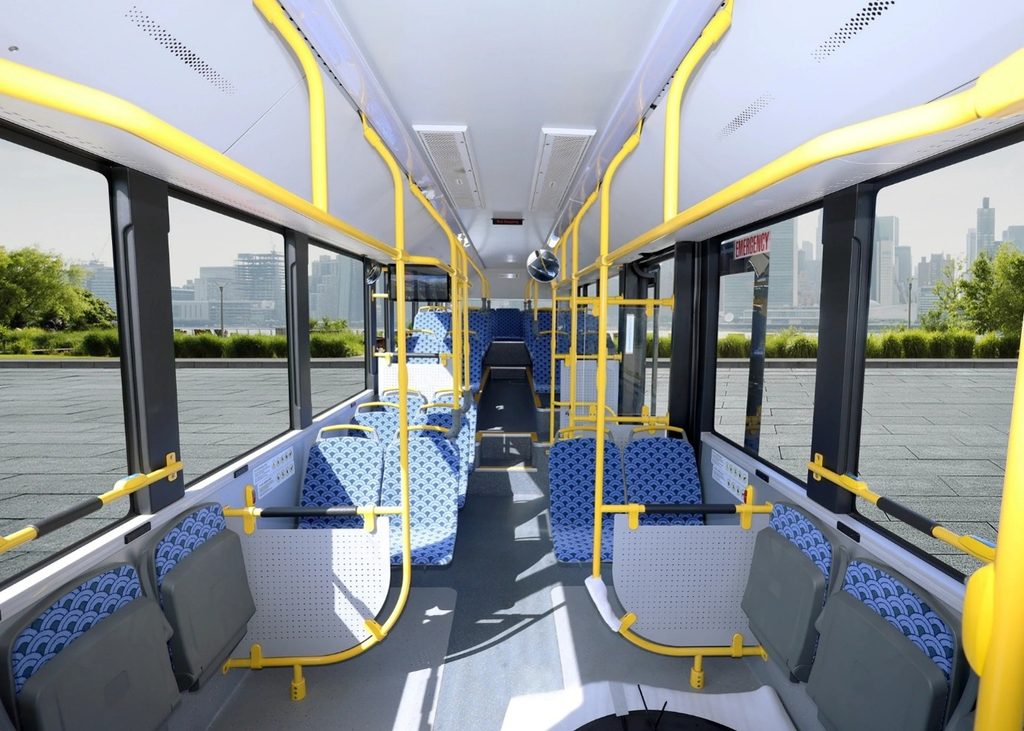
Urban public transport services may benefit from low-entry designs, wider doors and standing passenger capacity.
Tourism and charter operators may place greater importance on comfortable seating, luggage accommodation and passenger amenities.
School transport operators may have additional operational and safety considerations.
The right electric bus should match the intended passenger transport service while meeting all applicable New Zealand requirements.
Electric Bus Safety and Compliance Requirements in NZ
Vehicle safety and regulatory compliance should be assessed before making a purchase decision.
New Zealand passenger service vehicles are subject to applicable transport rules, vehicle standards and certification requirements.
These requirements may address vehicle construction, braking systems, lighting, dimensions, loading limits and passenger safety.
Depending on the vehicle type and intended use, operators should also review:
• Passenger access and accessibility
• Emergency exits and evacuation arrangements
• Fire safety systems
• Seatbelt requirements
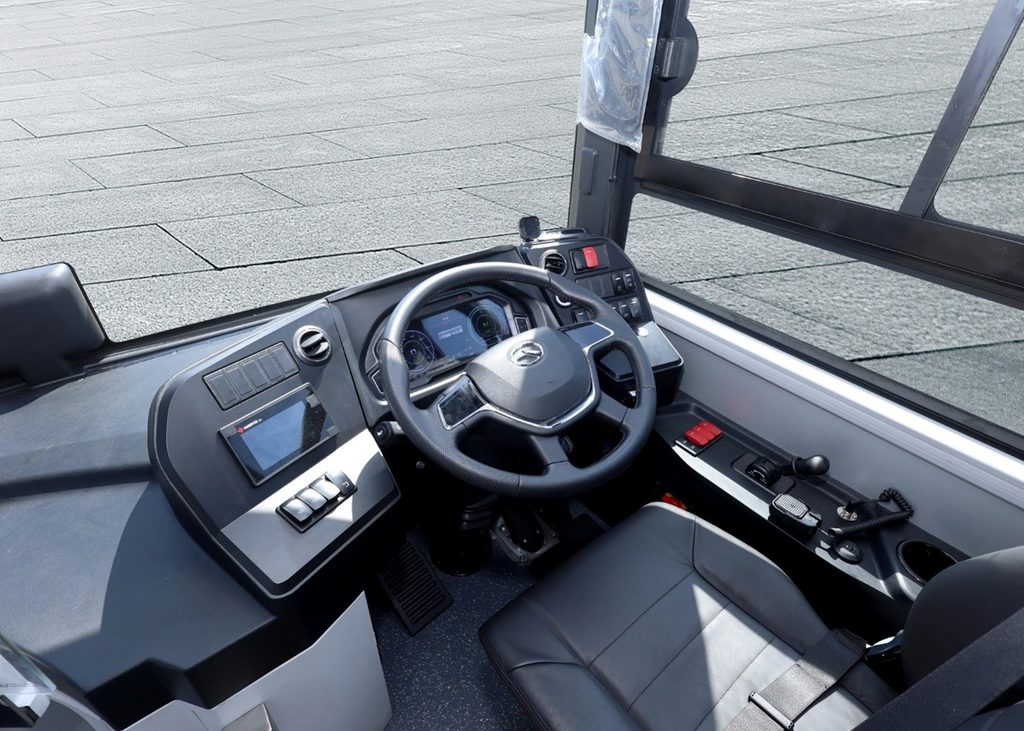
• Driver visibility
• Vehicle stability and braking performance
• Relevant driver-assistance technology
Safety requirements can vary according to vehicle design and operating purpose.
For example, urban buses designed to carry standing passengers may have different configurations from coaches intended for longer-distance seated travel.
Operators should confirm that the selected model and its intended configuration meet the relevant New Zealand requirements.
Regulatory compliance is essential, but thoughtful vehicle specification can also improve passenger comfort, operational efficiency and long-term reliability.
Electric Bus Models and After-Sales Support in New Zealand
Technical specifications are important, but they should not be the only factor influencing an electric bus purchase.
Parts availability, maintenance support, technician expertise and response times can significantly affect vehicle uptime.
This is particularly relevant for operators introducing electric vehicles into fleets that have traditionally relied on diesel technology.
Electric buses may require different diagnostic equipment, maintenance procedures and technical training.
When comparing suppliers, buyers should consider the availability of:
• Replacement parts
• Qualified service technicians
• Battery diagnostics and technical support
• Software and electronic system assistance
• Emergency breakdown support
• Ongoing maintenance services
Sinolink supplies Golden Dragon commercial buses and coaches in New Zealand, including the MU13E electric bus.
For buyers considering the MU13E or similar electric bus models, important specifications to review include battery capacity, driving range, passenger configuration, motor performance, charging compatibility and safety features.
Sinolink also operates service facilities in Auckland and Christchurch and provides 24/7 emergency breakdown assistance, as described on its website.
Access to reliable local after-sales support can help operators manage maintenance requirements and reduce the operational impact of unexpected vehicle issues. A suitable electric bus should offer not only the required performance but also the support needed throughout its working life.
Questions to Ask Before Buying an Electric Bus in NZ
Before selecting an electric bus, operators should ask several practical questions.
1. What is the actual daily driving requirement?
Consider route distance, detours, traffic conditions, passenger loading, heating and cooling requirements, and a suitable reserve margin.
2. Can the depot support the required charging schedule?
Assess existing electrical capacity, available charging time, infrastructure costs and future fleet expansion.
3. Does the passenger configuration suit the intended operation?
Review seating, standing capacity, accessibility, luggage space and applicable loading limits.
4. What are the total ownership costs?
Compare vehicle purchase prices alongside electricity, maintenance, charging infrastructure and long-term operational requirements.
5. What technical and after-sales support is available?
Confirm parts availability, servicing arrangements, technician support and emergency assistance.
6. Does the vehicle meet New Zealand compliance requirements?
Ensure the selected configuration is appropriate for its intended passenger transport application and satisfies relevant certification requirements.
These questions can help operators make a more informed purchase decision and reduce the risk of selecting a vehicle that does not match their operational needs.
Find the Right Electric Bus for Your Operation
Choosing an electric bus in New Zealand involves balancing purchase costs, driving range, charging requirements, passenger capacity and long-term support.
Rather than focusing on a single specification, operators should evaluate how the vehicle will perform across its intended routes and throughout its working life.
Sinolink supplies commercial buses and coaches for New Zealand transport operators, supported by local service facilities and technical expertise. If you are considering an electric bus for your fleet, contact the Sinolink team to discuss available models, vehicle specifications and your operational requirements.